Secure Your Sanctuary: Mastering Emergency Shelter and Warmth
The first priority in any extended survival scenario is protection from the elements. Learn how to construct safe, effective temporary shelters and manage your body temperature to ensure long-term resilience.
The Three Types of Shelter: Built for Every Scenario
True preparedness requires flexibility. You won't always have time or ideal materials to build the perfect structure, so resilience means knowing how to improvise. This section breaks down shelter mastery into three distinct, manageable categories—from the rapid response needed in minutes to the long-term structure required for resilience—giving you the skills to secure protection in any environment.
Review these three modular concepts, focusing on the primary goal of each structure: heat retention, speed, and defense against the elements.
The Three-Minute Shelter: When Minutes Count
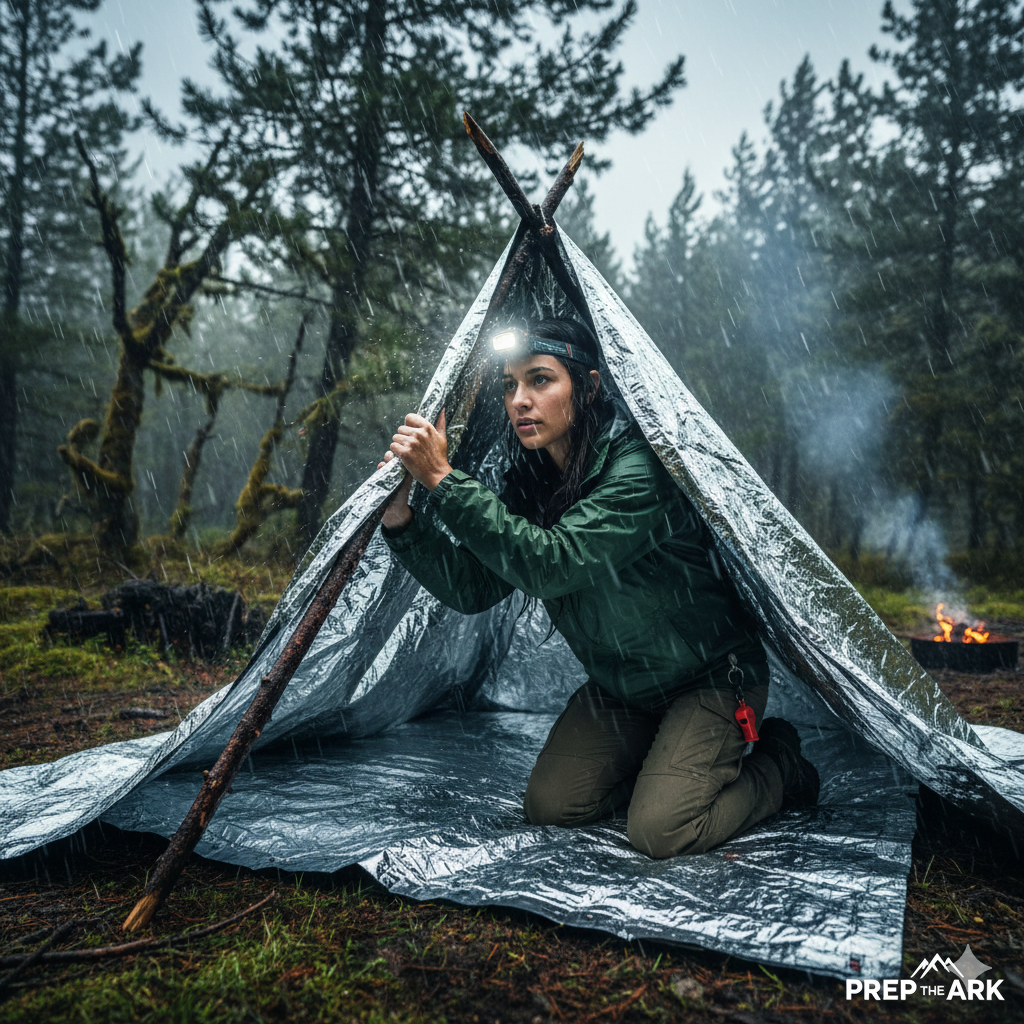
When sudden weather shifts or an immediate need for protection strikes, speed is your primary defense. The goal of an emergency shelter is not comfort, but rapid heat retention and defense against wind, rain, and snow. This module focuses on using readily available materials like thermal blankets, tarps (if in your kit), or deep foliage to create a fast, temporary heat barrier that prevents hypothermia, which is the most critical survival threat.
Prioritize insulation from the ground (the number one source of heat loss)
Use windbreaks like dense foliage or vehicle bodies for immediate protection.
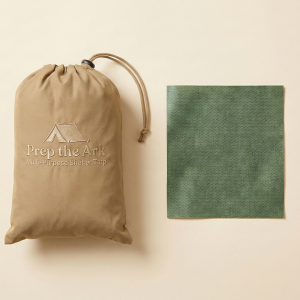
Utilize your Mylar thermal blanket or a large plastic bag as a quick roof and heat reflector.
Building for Resilience: The Debris Hut and A-Frame
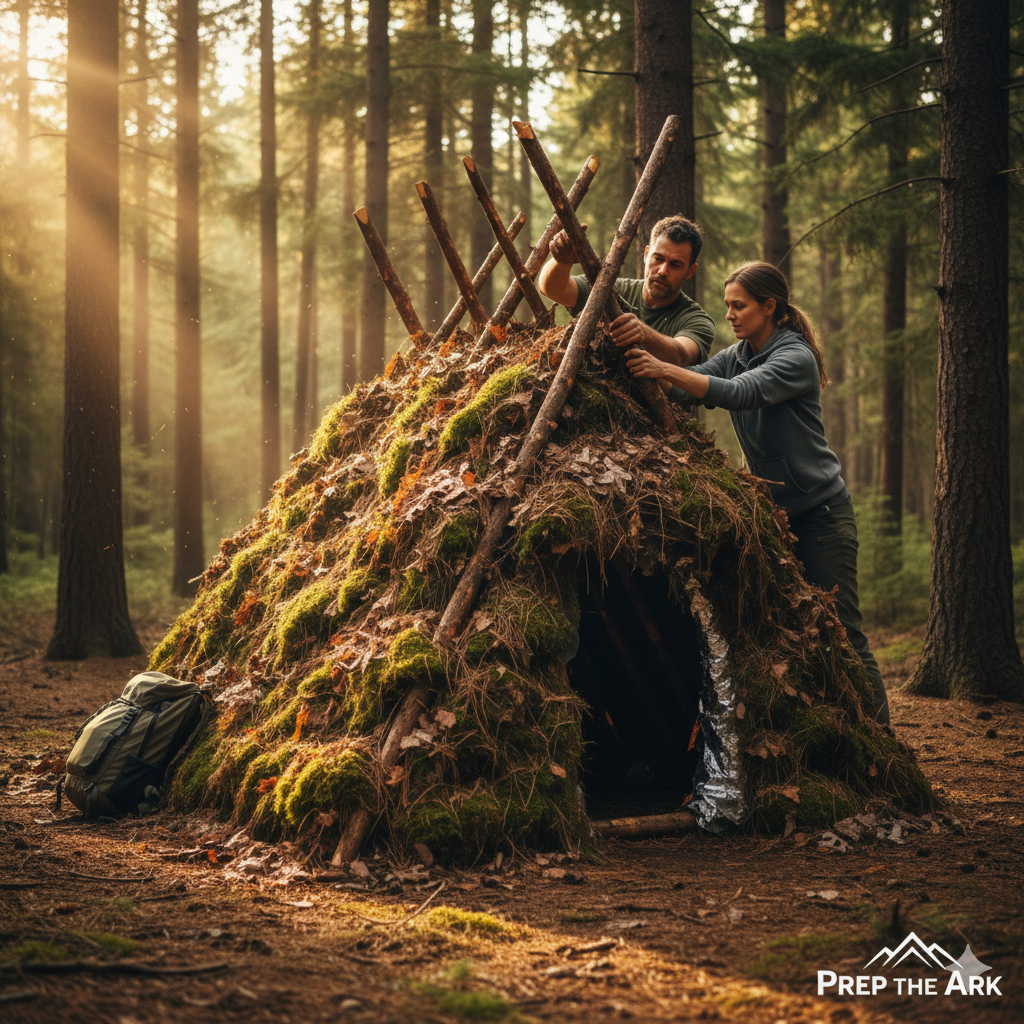
For extended scenarios, you must build a shelter that manages the elements, conserves your energy, and provides psychological security. The debris hut and A-frame are two of the most effective structures, designed to be highly insulated using layers of leaves, pine needles, and other natural debris. Mastering these techniques transforms your surroundings into a safe, sustainable environment, allowing you to focus on other tasks like sourcing water and building a signal fire.
Focus on insulation thickness (aim for 2-3 feet of layered debris over the structure).
Select a location that is dry, safe from flash floods, and near resources.
Construct a strong frame from found poles and ensure a small entrance to retain heat.
Improvising in Modern Environments (Urban & Vehicle)
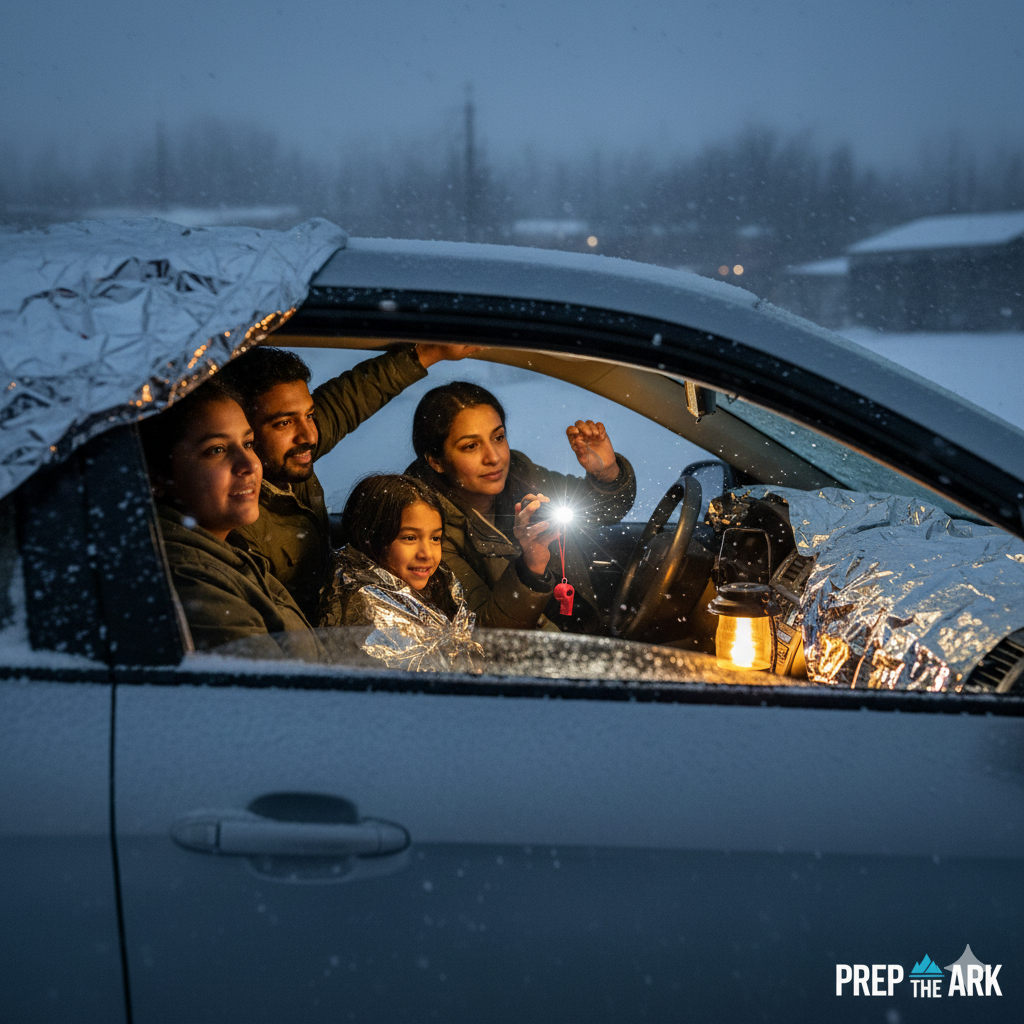
Survival doesn't always happen in the wilderness. If sheltering in place in a compromised urban building or stranded in a vehicle, your strategy shifts to resource optimization and signaling. This module teaches you how to maximize the insulation of a car (using seat padding and floor mats), secure temporary shelter in damaged structures, and use reflective materials and light sources to create highly visible distress signals.
Avoid using the car engine unnecessarily to conserve fuel; rely on body heat and blankets.
Always place a large signal (like reflective material) on the highest point of your vehicle or structure.
Secure doors and windows to prevent exposure and intrusion.
The Engine of Survival: Mastering Fire and Heat Management
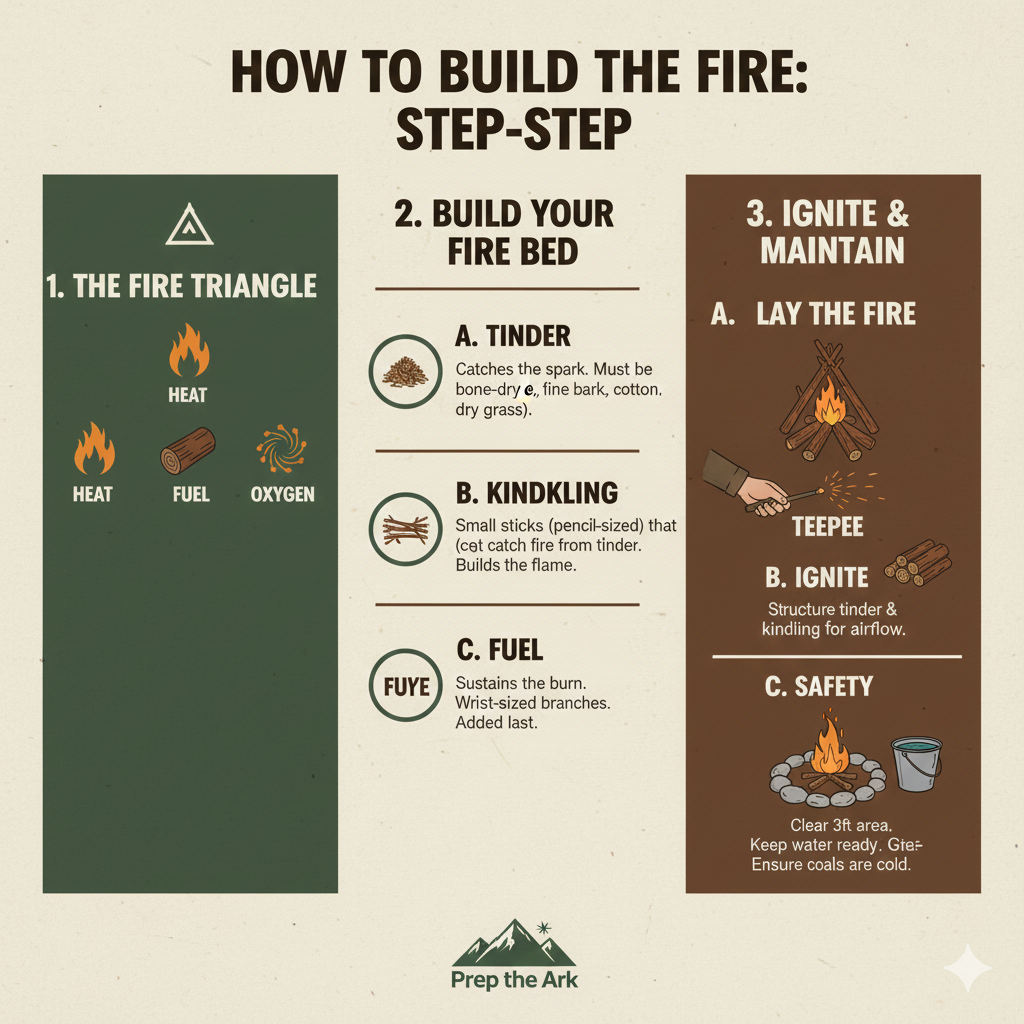
A shelter is only half the solution; warmth is the engine that keeps you alive. Fire is not just a source of heat—it purifies water, cooks food, wards off predators, and is a major psychological boost for morale. This skill is foundational to long-term resilience, and mastery of the basics ensures you can create this essential component of survival quickly and safely, even in adverse conditions.
Proactive Safety: Maintaining Your Fire
Fire safety is paramount, especially in a shelter setting. Never build a fire inside a debris or wooden shelter without an engineered flue or chimney, as smoke inhalation is deadly. Always clear a three-foot radius around your fire pit down to bare soil to prevent spreading. Keep a water source nearby, and fully extinguish the fire—checking that the coals are cold to the touch—before leaving the area or going to sleep.
Your Shelter is Secure. What's the Next Essential Skill?
You've mastered fire and shelter—two critical pillars of resilience. The logical next step is securing your water source. Continue your journey toward self-reliance with our next essential module.
Water & Sustenance
Water is the most urgent need in survival—learn the crucial skills for reliable sourcing, testing, and filtration to sustain yourself long-term.